
 Facebook
 X
 Pinterest
 Copy Link
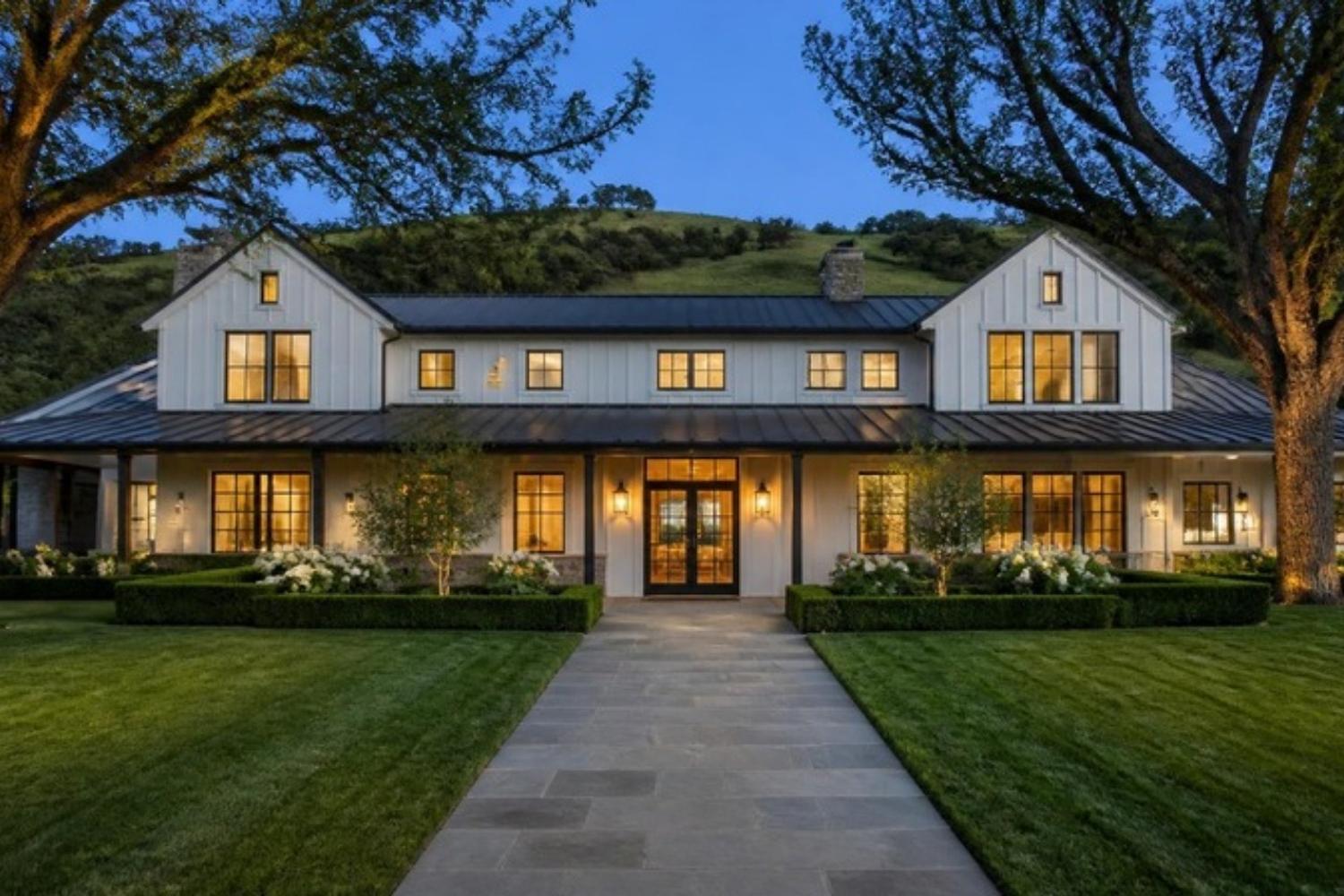
A buyer forms an opinion of your home before they are fully through the door. It does not come from the kitchen or the square footage. It comes from the approach, and from the first few steps inside.
That opinion matters more than its size suggests, because it becomes the frame for everything the buyer sees afterward. A buyer who walks in pleased reads the rest of the house generously. The good news is that this first stretch is the least expensive part of a home to get right, and most of it can be handled in a weekend.
This is the same first pass I make when I walk a home before we list it. Here it is, in the order a buyer experiences it.
What do buyers notice first when they arrive?
Buyers notice the approach first: the path, the lawn and its edges, the house numbers, and the exterior lights.
This is the part sellers think about least and buyers read first. They park, they look up, and they start walking. In that short walk they take in four things.
- The path. Clear, swept, and wide enough for two people side by side. Hoses coiled, bins out of sight, nothing to step around.
- The lawn and the edges. Green, mowed, and edged along the walk and the driveway. A crisp edge is what makes a yard look cared for, more than anything planted in it.
- The house numbers and the mailbox. Easy to read from the street, straight, and clean. Buyers are looking for the address before they are looking at the house.
- The light. Every exterior bulb working and matching. Many showings happen after work, and a lit entry is the first thing a buyer sees at dusk.
Why does the front door matter so much?
The front door matters because it is the one spot where a buyer stands still and looks closely, usually for about thirty seconds.
Here is something most sellers never get to see. When a buyer arrives with their agent, the agent stops to open the lockbox and work the key. The buyer stands at your front door with nothing to do but look at it.
That makes the front door the most closely inspected square yard of the whole property. So this is where the details earn their keep:
- Paint on the door that is fresh and even, with clean edges at the trim.
- Hardware that is tight, polished, and turns smoothly. The lock is the first thing in the house the buyer’s agent physically uses.
- A clean threshold, a new doormat, and corners free of cobwebs.
- A porch light fixture that is clean inside the glass.
How should a home be lit for a showing?
Open every blind, turn on every light, and match every bulb to the same warm white.
The moment the door opens, the buyer’s eyes adjust to the room. A bright entry reads as a larger, better kept home.
Open every blind and pull back every curtain before a showing. Turn on every lamp and every overhead light, even at noon. Then check the bulbs. A room with one warm bulb and one bluish bulb looks patchy without the buyer being able to say why. Matching them is an inexpensive fix. Bulbs are labeled with a color temperature, and choosing the same one throughout, usually a warm white around 2700K to 3000K, makes the whole house read as one calm space.
What should a home smell like for a showing?
Smell registers before a buyer has consciously looked at anything. The goal is a home that smells like nothing at all.
That means nothing cooking on showing days, the trash out, and the windows open for an hour beforehand when the weather allows. Leave the candles and plug-in fragrances in the drawer. A clean, neutral house lets a buyer relax, and it lets the home speak for itself.
If you have pets, plan for litter, beds and bowls to be freshly cleaned or out of the house during showings. You stop noticing your own home’s scent after a few weeks of living in it, so this is a good one to ask a friend about, or me.
What should buyers see from the front door?
From the front door, a buyer should see a clear line to something light and open, such as a window or the yard.
Stand in your open front doorway and look straight ahead. Whatever is at the end of that line is your home’s first photograph in the buyer’s mind.
The best version of that view ends in something light and open: a window, a slider to the yard, a clean wall with one good piece on it. If the view currently ends in a coat rack, a stack of shoes, or the back of a sofa, move it. Clearing that one line of sight often does more for a first impression than rearranging an entire room.
Which first impression fixes are worth doing before you sell?
The fixes worth doing are the small ones: edging, cleaning, a freshly painted front door, matched bulbs, and a clear entry.
You can spend a great deal on the front of a house, and most of it is not needed for this purpose. Here is how I sort it.
Almost always worth doing: edging and mowing, washing the walk and the porch, repainting the front door, replacing the doormat, matching every bulb inside and out, cleaning the windows nearest the entry, and clearing the entry sightline.
Depends on the house: new house numbers or a new porch fixture, fresh mulch and a few plants at the entry, touching up the trim around the door. These are small, and I will tell you whether your home needs them.
Usually not needed for a first impression: a new front door, new landscaping across the whole yard, or a full exterior repaint. Sometimes one of these is the right call for other reasons, and that is a conversation to have with the numbers in front of us.
How can you test your own home’s first impression?
Walk up to your own home the way a buyer does, and write down the first three things you notice.
You can run the buyer’s first ten seconds yourself.
- Park across the street and take one photo of the house with your phone. Look at the photo, not the house. Photos show what you have stopped seeing.
- Walk to the front door at a normal pace and notice where your eyes go.
- Stand at the door for thirty seconds, the way a buyer does while the lockbox opens.
- Step inside and stop. Write down the first three things you notice.
Those three things are your list. They are almost always small.
Final Thoughts
The first ten seconds are the part of a sale where a seller has the most control for the least money. Get the approach, the door, the light, the air and that first sightline right, and every room after it gets the benefit.
When I walk a home before we list, I go through exactly this, and I tell you plainly which items are worth doing and which are not for your house.
If you would like me to walk your home with you, give me a call or book a time. I would be glad to go through it together.

Want me to walk your home with you?
I will go through the approach, the entry and the first rooms with you, and tell you plainly which items are worth doing for your house.

Your Partner in Real Estate
Coldwell Banker Realty | DRE #02226845
Certified Real Estate Negotiator (CREN)