
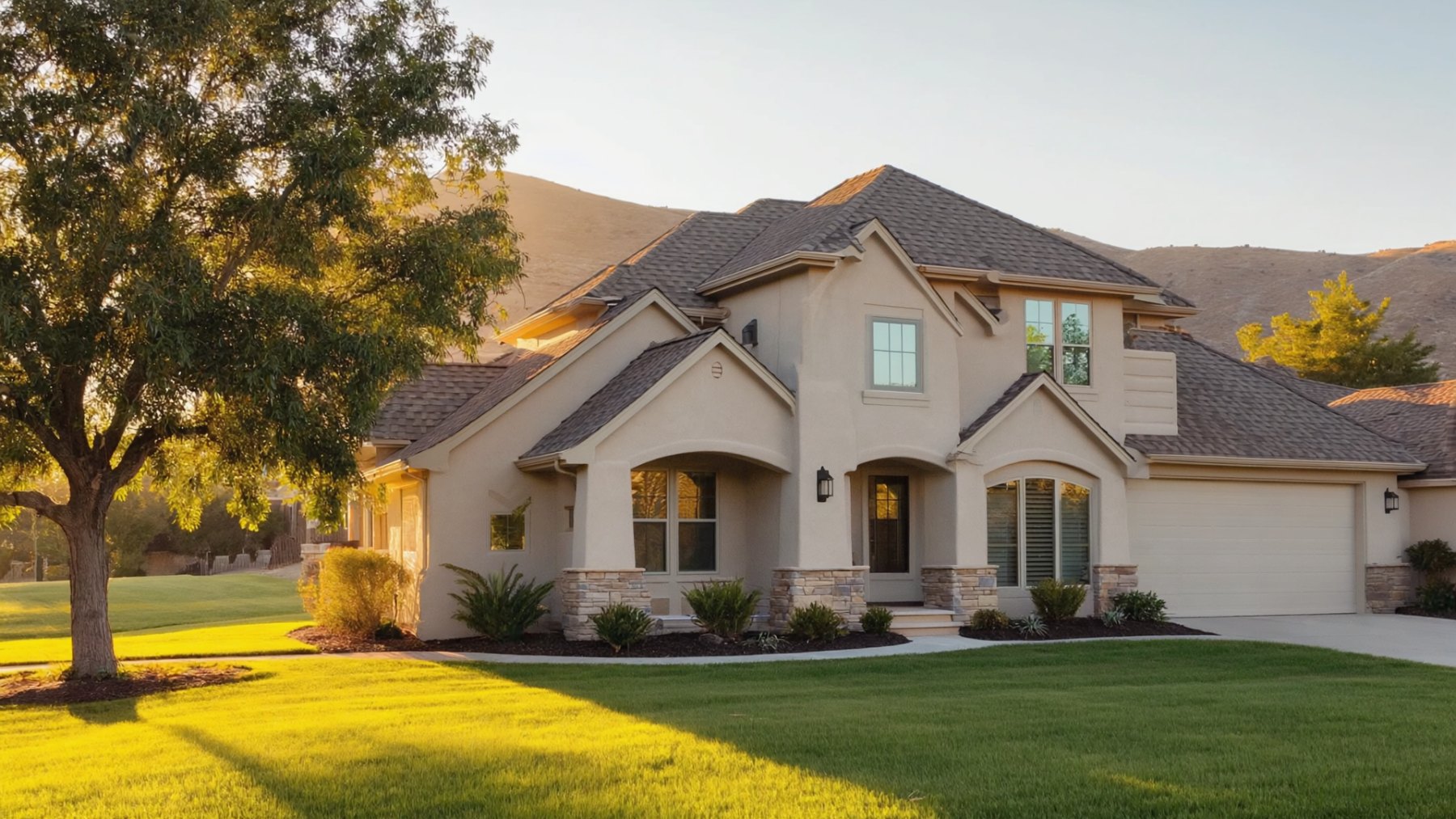
Home value · Danville, Alamo, Walnut Creek, San Ramon
Every house has a number. Yours has a few.
Run the instant estimate below. It is free, it takes about ten seconds, and nothing is asked of you in return. Then I will show you what sits between that number and the one your home actually lists at.
Start here
The instant estimate, free and with nothing attached.
You can get this number in two other tabs right now, so there is no sense in me holding it hostage. Run it, write it down, and keep reading.
What that number is built from
It is doing real work, and it is doing it in two seconds.
Here is everything an automated estimate has to work with. It reads all of it accurately, and for a tract home with four clean recent sales on the same street, it lands close.
The rest of it
Then there is everything that happens on the property.
The roofline, from the curb
Age shows from the street long before it shows on paper. So does the fascia, the state of the gutters, whether the driveway has lifted, and how the front of the house reads in the ninety seconds before anyone reaches the door.
Which way the living space faces
A west-facing great room in Danville is a different room at four in the afternoon in September than it is at ten in the morning. The same floor plan turned ninety degrees is a different house to live in, and buyers feel it on the tour without ever naming it.
Where the primary bedroom sits
A downstairs primary reaches a buyer pool that a second-floor plan never sees. Identical square footage, identical bed and bath count, materially different market.
What the windows actually look at
Two homes on the same street, same model. One looks out at open space and the ridgeline. One looks at the back wall of the house behind it. Nothing in the record separates them.
What you hear with the slider open
Distance to the arterial is not square footage, and it does not appear in any field. It shows up the moment a buyer steps into the yard on a Saturday.
What has been done, and whether it was permitted
An addition that never received final sign-off is a price conversation and sometimes a lender conversation. It is also not something a public record will volunteer.
What the neighbors did last spring
Three remodels on one block move the comp set underneath you. A model reads the sale price. It does not know that two of those kitchens were taken to the studs and yours was not, or that yours was and theirs were not.
What it smells like
Nobody writes this one down and every buyer registers it inside ten seconds. Same for how the front door sounds when it closes, and whether the hallway feels narrow.
None of that is in the data. All of it is in the price.
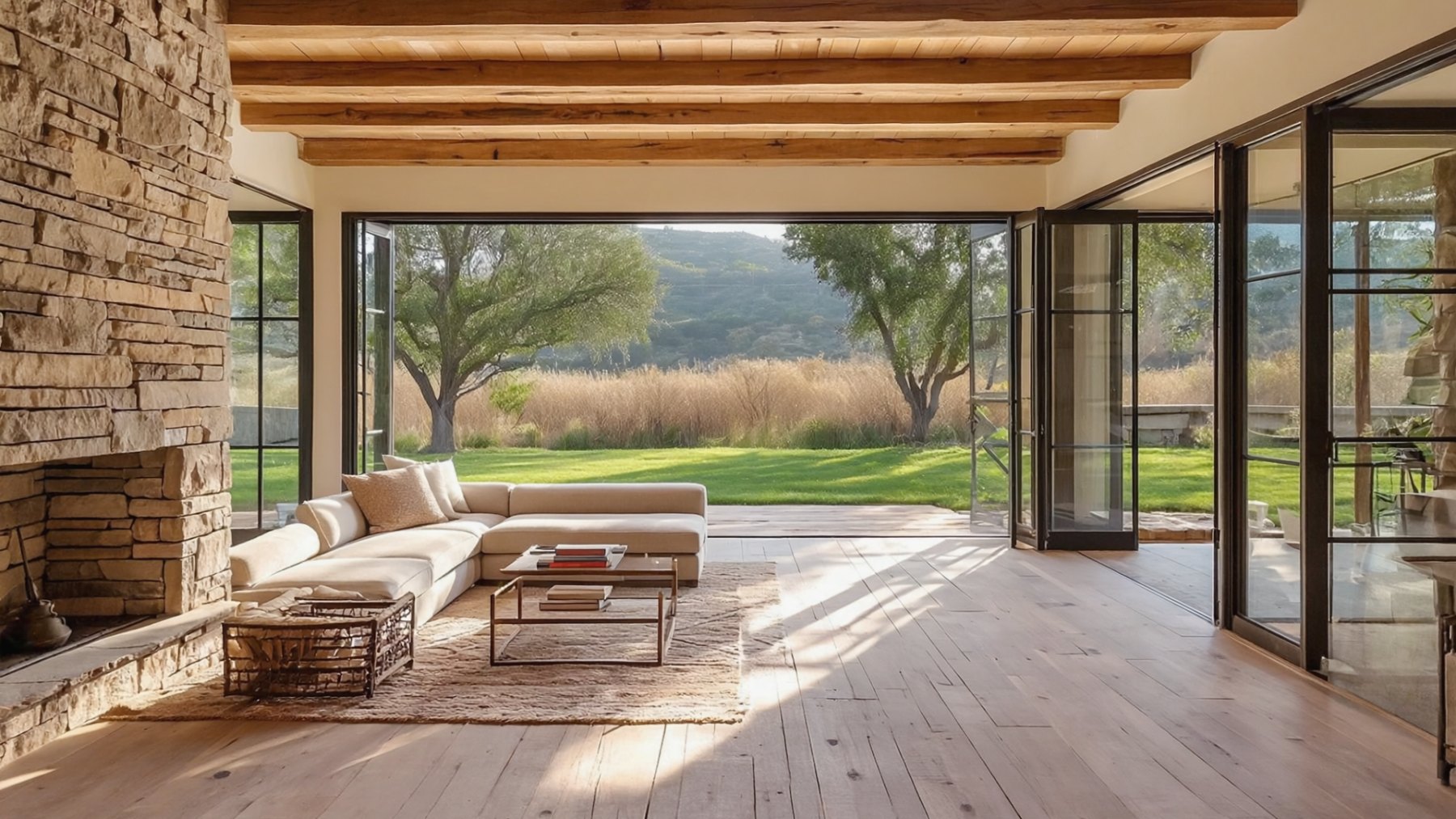
Forty minutes in the house is usually the difference between a range and a number.
Three different numbers
An estimate, a range, and a price are not the same thing.
One
The estimate
What a model computes from records and nearby sales. Free, instant, and genuinely useful as a floor for your own thinking.
Two
The supported range
What the comparable sales actually defend once the wrong comps are taken out and the right ones are put in. This is where the walkthrough changes things.
Three
The list price
A decision, with a strategy behind it and a reason for the exact figure. Somebody has to be accountable for this one.
What lands in your inbox
Three things, usually the same afternoon.
The comp set, and the argument for it
Which sales the automated number leaned on, which of them do not belong, and what I would use instead. You get the reasoning, not just the conclusion.
A supported range, with what moves it
What your home would realistically list at today, and specifically what pushes it to the top of that range and what drags it to the bottom.
What a weekend of work is worth
Whether any prep actually returns more than it costs on your house, priced from my contractor network rather than guessed at. Sometimes the answer is nothing, and I will say so.
What the market is doing
Pricing is a timing decision as much as a number one.
The first two weeks decide most of it. These are the numbers behind that.
National figures. Your street behaves differently, which is the point of asking about your street.
Zillow · Realtor.com · Redfin, 2026
Before you send the address
Questions people ask me first.
Do you need to come see the house?
To give you a range, no. I can do that from the comps, the records and what you tell me, and it is genuinely useful.
To give you a number I would defend in front of a buyer’s agent, yes. It takes about forty minutes and it is the part that turns a range into a price. You are welcome to take the range and stop there.
Is this really free, and is there a catch?
It is free and there is no catch. You are not signing anything and you are not obligated to list with me. I would rather be the person you remember in eighteen months than the person who chased you this week.
I am not selling for a year. Should I still ask?
That is the best time to ask. If there is prep work worth doing, a year is enough runway to do it properly and at a sane price, instead of in a panic three weeks before listing.
Will you put me on a mailing list?
No. You will get the answer you asked for. If you want market updates after that you can say so, and if you would rather never hear from me again, that is fine too.
What if your number is lower than the estimate?
Then I will tell you that, and why. A number designed to make you feel good is worth exactly what it costs, and it tends to show up again as a price reduction in week six.
The real number
Send me the address and I’ll do the rest.
Most people who ask me are somewhere between six months and never. That is fine, and it is exactly when good information is worth the most.